
When shops and crowds become too much

Reviewed
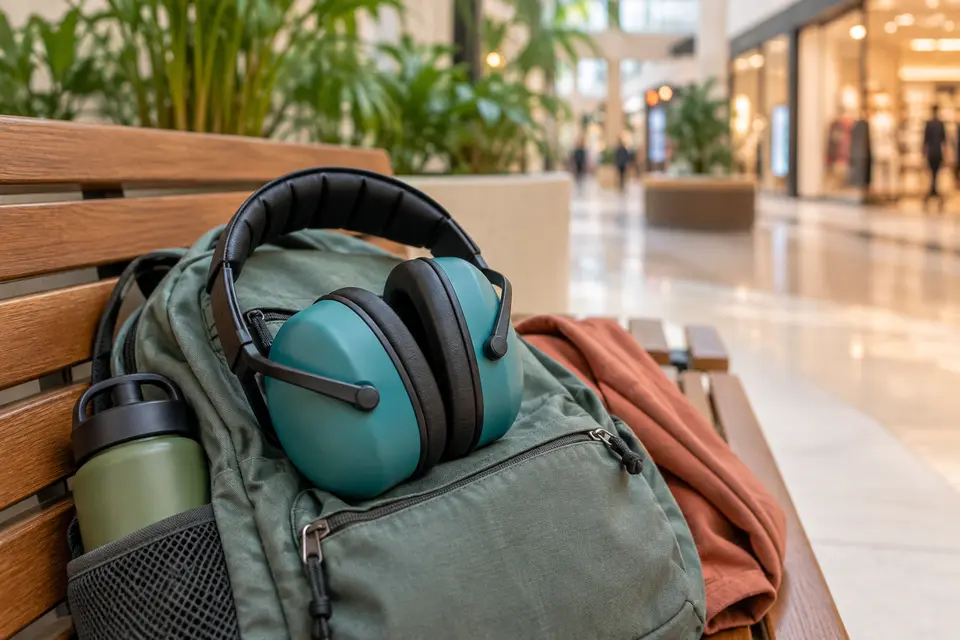
A quick trip to the shops becomes much harder than expected. Your child is distressed, you are trying to keep everyone safe and other people are nearby. You do not need to finish the shopping before responding to what your child needs.
The same place can feel different to each child
Noise, light, smells, crowds and waiting can make outings difficult. Sensory experiences vary: a child may avoid some sensations and seek others. Do not assume all input feels equally intense, or that every difficult trip began with stress at home. Something happening in the venue may be enough to cause distress.
Prepare a small, flexible plan
Check needs before leaving
Consider food, drink, toileting, tiredness and any signs of pain. If the trip is optional, you can change the time or shorten it. Some errands cannot wait; plan which parts another adult or a delivery could handle.
Show the likely sequence
Use words, photographs or another familiar format: “We are buying bread, then going home.” Avoid promising an exact duration you cannot control. Explain possible waiting and how your child can ask for a break.
Bring supports they already use
This might include an accepted comfort item, headphones or a communication device. Offer a role such as holding the list only if they want it. An extra job can be an extra demand, not a helpful distraction.
Know where to pause or leave
Identify a quieter space and an accessible exit. If signs of distress appear, reduce talk and offer a break. Respect preferences about touch and distance. Leaving early is a valid adjustment, even after careful preparation.
When people look over
You cannot know what strangers are thinking, and you do not owe them your child's history. If a short explanation helps, “We need some space, thank you” may be enough. Focus on safe access to a quieter place. Ask a staff member for practical help if you need it.
Try, notice and adjust
After the outing, note what was manageable and where things changed. Include your child's account if they can share it. Next time, adjust one part, such as timing, route or length. Do not keep increasing exposure if the experience remains distressing.
When to seek more support
Repeated distress that limits everyday participation, new pain or increasing safety concerns deserve individual advice. An appropriate professional can help assess contributing needs. For an immediate danger or medical emergency, seek urgent help.
Sources and further reading
These sources inform the general guidance. The everyday examples are suggestions to adapt to your child, not an individual assessment or treatment plan.